
- Literature, Authors and readers, History and criticism, American authors
A series of linked essays in praise of reading and writing, with subjects running from ghost stories to comic books, Sherlock Holmes to Cormac McCarthy. Throughout, Chabon energetically argues for a return to the thrilling, chilling origins of storytelling, rejecting the false walls around "serious" literature in favor of a wide-ranging affection.
Log it
Sign in to log this.
Character
Spare, character-led, warm and classical in form.
- sparerichly built
- character-ledplot-driven
- warmbleak
- classical in formformally daring
- earnestironic
Who loves it, who doesn't
No profiled raters yet.
Ask the title
A yes-or-no question, answered from what people wrote here, on TMDB and on Wikipedia. Never made up.
Reviews
No reviews yet.
About the book
- Author
- Michael Chabon
- First published
- 2008
- Pages
- 222
- Publisher
- MCSWEENEY'S, McSweeney's Books, Fourth Estate
- Editions
- 10
- Language
- und, English
- ISBN
- 9781453244821
Where to read
Libraries first: a card gets you most books for nothing. Each opens that service’s page for this title.
On Open Library, 2 have read it and 7 want to.
“ENTERTAINMENT HAS A bad name.”
Michael Chabon is an American author. Chabon's first novel, *The Mysteries of Pittsburgh* (1988), was published when he was 25. He followed it with a second novel, *Wonder Boys* (1995), and two short-story collections. In 2000, Chabon published *The Amazing Adventures of Kavalier & Clay,* a novel that John Leonard, in a 2007 review of a later novel, called Chabon's magnum opus. It received the Pulitzer Prize for Fiction in 2001. His novel *The Yiddish Policemen's Union,* an alternate history mystery novel, was published in 2007 and won the Hugo, Sidewise, Nebula and Ignotus awards; his serialized novel *Gentlemen of the Road* appeared in book form in the fall of that same year. His novel *Te
Similar in taste
Closest on the same fourteen dimensions, from everything scored on Tastebuds Other media included when they land close.
 Ex Libris 199883% alikeBoth character-led, spare, warm.
 Both warm, character-led, spare.
 This is Orson Welles 199276% alikeBoth character-led, spare, classical in form.
 The Film That Changed My Life 201174% alikeBoth spare, warm, character-led.
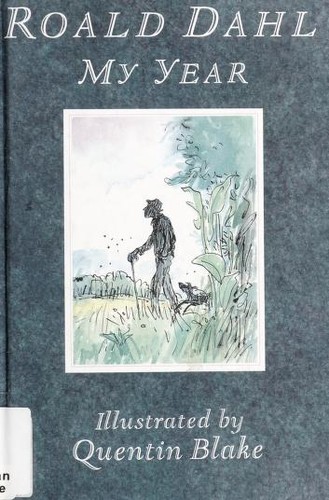 My year 199371% alikeBoth character-led, spare, warm.
 Both character-led, warm, contemplative.
 Both spare, character-led, warm.
 A mathematician's apology 194070% alikeBoth character-led, spare, contemplative.
- Music · Both spare, character-led, warm.
- Music · Both spare, character-led, warm.