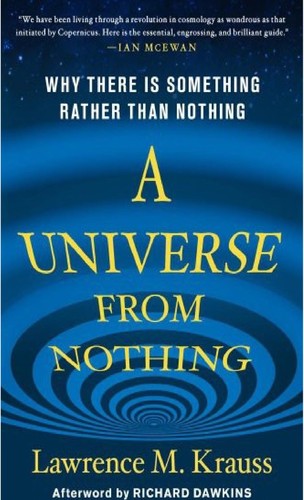
- SCIENCE / Cosmology, End of the universe, SCIENCE / Philosophy & Social Aspects, SCIENCE / Physics
"Internationally known theoretical physicist and bestselling author Lawrence Krauss offers provocative, revelatory answers to the most basic philosophical questions: Where did our universe come from?
Log it
Sign in to log this.
Character
Contemporary, epic, classical in form and cool.
- contemporarynostalgic
- intimateepic
- classical in formformally daring
- cooloverwhelming
- sparerichly built
Who loves it, who doesn't
No profiled raters yet.
Ask the title
A yes-or-no question, answered from what people wrote here, on TMDB and on Wikipedia. Never made up.
Reviews
No reviews yet.
About the book
- Author
- Lawrence Maxwell Krauss
- First published
- 2010
- Pages
- 202
- Publisher
- Independently Published, Blackstone Audio, Inc., Free Press
- Editions
- 12
- Language
- English
- ISBN
- 9781471112690
Where to read
Libraries first: a card gets you most books for nothing. Each opens that service’s page for this title.
On Open Library, 23 have read it and 64 want to.
Lawrence Maxwell Krauss is an American theoretical physicist and cosmologist who is Foundation Professor of the School of Earth and Space Exploration at Arizona State University, and director of its Origins Project. He is known as an advocate of the public understanding of science, of public policy based on sound empirical data, of scientific skepticism and of science education, and works to reduce the influence of what he opines as superstition and religious dogma in popular culture. Krauss is the author of several bestselling books, including The Physics of Star Trek (1995) and A Universe from Nothing (2012), and chairs the Bulletin of the Atomic Scientists Board of Sponsors. Source: Wikip
Similar in taste
Closest on the same fourteen dimensions, from everything scored on Tastebuds Other media included when they land close.
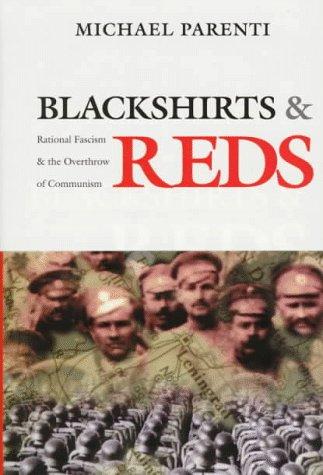 Blackshirts and Reds 199780% alikeBoth epic, contemporary, spare.
 Prisoners of geography 201574% alikeBoth contemporary, epic, cool.
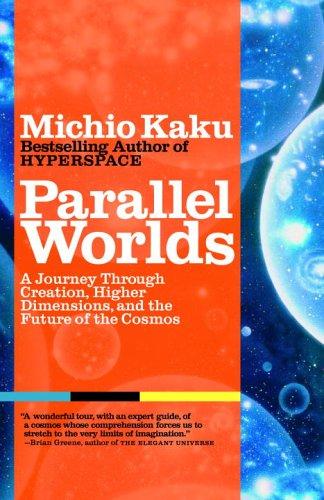 Parallel Worlds 200474% alikeBoth contemporary, epic, classical in form.
 Both contemporary, epic, classical in form.
 Genome 199974% alikeBoth contemporary, classical in form, spare.
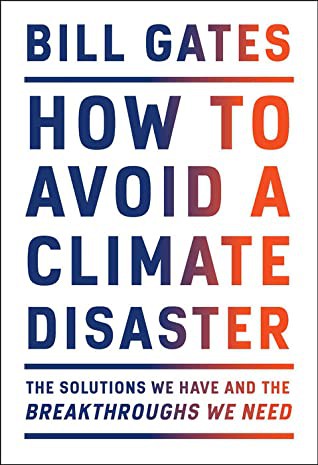 How to Avoid a Climate Disaster 201973% alikeBoth contemporary, epic, classical in form.
 Abundance 202572% alikeBoth contemporary, classical in form, epic.
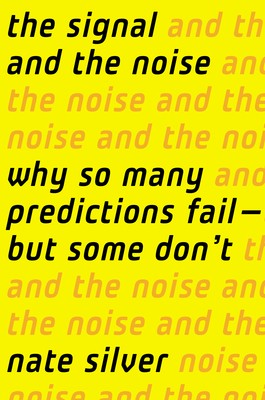 The Signal and the Noise 201272% alikeBoth contemporary, cool, spare.
 A Perfect Planet 202168% alikeTelevision · Both contemporary, epic, classical in form.
 Trials of Life 199068% alikeTelevision · Both contemporary, classical in form, epic.