
- Human-computer interaction, Computers, Fiction, Science fiction
A novel that proposes an idea about how the human race might have begun and where it might be headed...given a little help from out there. A colaboration of ideas with director Stanley Kubrick in the late 1960's it begins at "the dawn of man" and then leaps to the year 2001 where a mission to Saturn (Jupiter in the film) is mounted to try and answer questions raised by the discovery of an ancient artifact dug up on the moon. Though not particularly fast paced, the science is good, and there are a few hair raising events. There are also interesting speculations about the future, such as the space shuttle, and a device eerily similar to an iPad. Leaving plenty of room for contemplation and the appreciation for the inevitable trials of space travel, this is one of the truly landmark pieces of hard science fiction.
Log it
Sign in to log this.
Character
Epic, contemplative, earnest and grave.
- intimateepic
- contemplativerelentless
- earnestironic
- gravecomic
- cooloverwhelming
Who loves it, who doesn't
No profiled raters yet.
Ask the title
A yes-or-no question, answered from what people wrote here, on TMDB and on Wikipedia. Never made up.
Reviews
No reviews yet.
About the book
- Author
- Arthur C. Clarke
- First published
- 1994
- Pages
- 237
- Publisher
- Cahiers du cinéma, Signet, A.W. Bruna & Zoon
- Editions
- 117
- Language
- French, Spanish, Dutch, Italian
- ISBN
- 9786586064063
Where to read
Libraries first: a card gets you most books for nothing. Each opens that service’s page for this title.
On Open Library, 185 have read it and 545 want to.
“Behind every man now alive stand thirty ghosts, for that is the ratio by which the dead outnumber the living.”
Sir Arthur Charles Clarke CBE FRAS was a British science fiction writer, science writer and futurist, inventor, undersea explorer, and television series host. He is famous for being co-writer of the screenplay for the 1968 film 2001: A Space Odyssey, widely considered to be one of the most influential films of all time. Clarke was a science writer, who was both an avid populariser of space travel and a futurist of uncanny ability. On these subjects he wrote over a dozen books and many essays, which appeared in various popular magazines. In 1961 he was awarded the Kalinga Prize, an award which is given by UNESCO for popularising science. These along with his science fiction writings eventuall
Similar in taste
Closest on the same fourteen dimensions, from everything scored on Tastebuds Other media included when they land close.
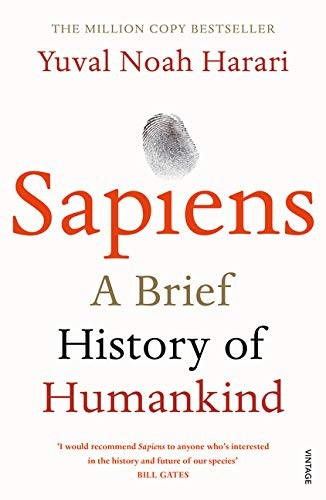 Sapiens 201156% alikeBoth epic, earnest, cool; this one is more relentless.
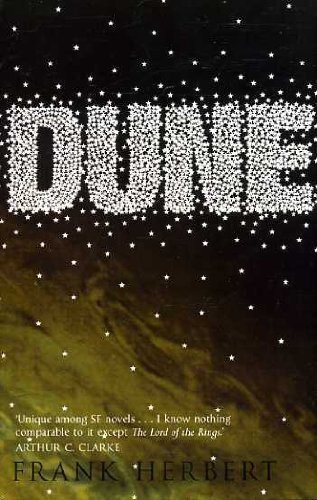 Dune 196554% alikeBoth epic, earnest, grave; this one is more overwhelming.
 I, Robot 195054% alikeBoth earnest, cool, grave.
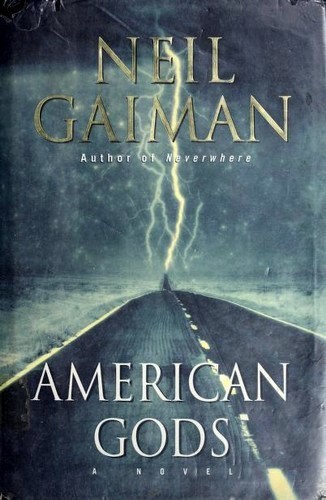 American Gods 200153% alikeBoth epic, grave; this one is more ironic.
 Children of Dune 197653% alikeBoth epic, earnest, grave; this one is more relentless.
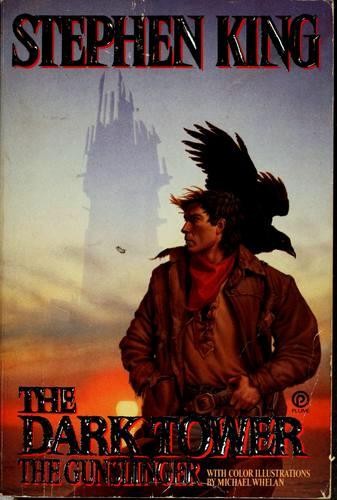 The Gunslinger 197650% alikeBoth grave, earnest, epic.
 Sea of Tranquility 199948% alikeBoth grave; this one is more ironic.
 Station Eleven 201446% alikeBoth grave; this one is more overwhelming.
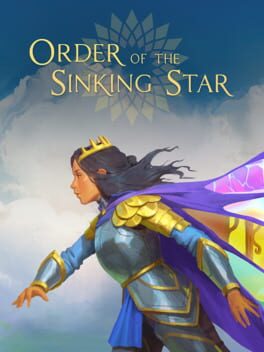 Order of the Sinking Star 202671% alikeGame · Both grave, earnest, contemplative.
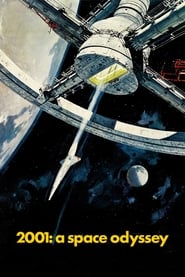 2001: A Space Odyssey 196863% alikeFilm · Both contemplative, epic, earnest.