
- Nonfiction, Psychology, Sociology, Choice (psychology)
In the spirit of [Alvin Toffler](/authors/OL433058A)’s [*Future Shock*](/works/OL2869043W), a social critique of our obsession with choice, and how it contributes to anxiety, dissatisfaction and regret. This paperback includes a new P.S. section with author interviews, insights, features, suggested readings, and more.Whether we’re buying a pair of jeans, ordering a cup of coffee, selecting a long-distance carrier, applying to college, choosing a doctor, or setting up a 401(k), everyday decisions--both big and small--have become increasingly complex due to the overwhelming abundance of choice with which we are presented.We assume that more choice means better options and greater satisfaction. But beware of excessive choice: choice overload can make you question the decisions you make before you even make them, it can set you up for unrealistically high expectations, and it can make you blame yourself for any and all failures. In the long run, this can lead to decision-making paralysis, anxiety, and perpetual stress. And, in a culture that tells us that there is no excuse for falling short of perfection when your options are limitless, too much choice can lead to clinical depression.In The Paradox of Choice, Barry Schwartz explains at what point choice--the hallmark of individual freedom and self-determination that we so cherish--becomes detrimental to our psychological and emotional well-being. In accessible, engaging, and anecdotal prose, Schwartz shows how the dramatic explosion in choice--from the mundane to the profound challenges of balancing career, family, and individual needs--has paradoxically become a problem instead of a solution. Schwartz also shows how our obsession with choice encourages us to seek that which makes us feel worse.By synthesizing current research in the social sciences, Schwartz makes the counterintuitive case that eliminating choices can greatly reduce the stress, anxiety, and busyness of our lives. He offers eleven practical steps on how to limit choices to a manageable number, have the discipline to focus on the important ones and ignore the rest, and ultimately derive greater satisfaction from the choices you have to make.
Log it
Sign in to log this.
Character
Spare, contemporary, classical in form and earnest.
- sparerichly built
- contemporarynostalgic
- classical in formformally daring
- earnestironic
- resolvedopen-ended
Who loves it, who doesn't
No profiled raters yet.
Ask the title
A yes-or-no question, answered from what people wrote here, on TMDB and on Wikipedia. Never made up.
Reviews
No reviews yet.
About the book
- Author
- Barry Schwartz, Ken Kliban
- First published
- January 18, 2005
- Pages
- 269
- Publisher
- Harper Perennial, HarperCollins, Ecco
- Editions
- 11
- Language
- English
- ISBN
- 9780061748998
Where to read
Libraries first: a card gets you most books for nothing. Each opens that service’s page for this title.
On Open Library, 15 have read it and 146 want to.
“CANNING THE SHELVES OF MY LOCAL SUPERMARKET RECENTLY, I found 85 different varieties and brands of crackers.”
Similar in taste
Closest on the same fourteen dimensions, from everything scored on Tastebuds Other media included when they land close.
 Dopamine Nation 202183% alikeBoth contemporary, spare, classical in form.
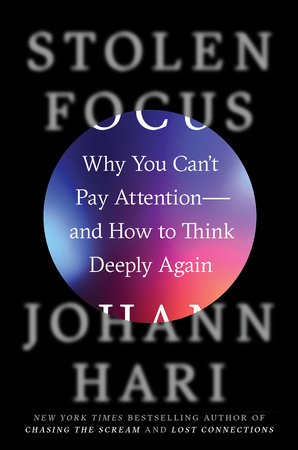 Stolen Focus 202278% alikeBoth spare, contemporary, classical in form.
 Ego is the Enemy 201678% alikeBoth spare, classical in form, earnest.
 On Writing 199977% alikeBoth spare, contemporary, earnest.
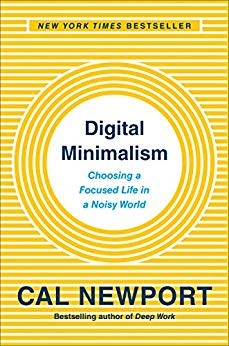 Digital Minimalism 201972% alikeBoth spare, contemporary, classical in form.
 White Fragility 201871% alikeBoth contemporary, classical in form, spare.
 We Should All Be Feminists 201471% alikeBoth contemporary, spare, earnest.
 Mindset 200670% alikeBoth spare, contemporary, classical in form; this one is more warm.
 Wonder 201774% alikeFilm · Both contemporary, classical in form, earnest.
 Everybody's Fine 200972% alikeFilm · Both contemporary, spare, classical in form.