
- Fiction, Swordsmen, Japan, fiction, Fiction, general
**The classic samurai novel about the real exploits of the most famous swordsman.** Miyamoto Musashi was the child of an era when Japan was emerging from decades of civil strife. Lured to the great Battle of Sekigahara in 1600 by the hope of becoming a samurai—without really knowing what it meant—he regains consciousness after the battle to find himself lying defeated, dazed and wounded among thousands of the dead and dying. On his way home, he commits a rash act, becomes a fugitive and brings life in his own village to a standstill—until he is captured by a weaponless Zen monk. The lovely Otsū, seeing in Musashi her ideal of manliness, frees him from his tortuous punishment, but he is recaptured and imprisoned. During three years of solitary confinement, he delves into the classics of Japan and China. When he is set free again, he rejects the position of samurai and for the next several years pursues his goal relentlessly, looking neither to left nor to right. Ever so slowly it dawns on him that following the Way of the Sword is not simply a matter of finding a target for his brute strength. Continually striving to perfect his technique, which leads him to a unique style of fighting with two swords simultaneously, he travels far and wide, challenging fighters of many disciplines, taking nature to be his ultimate and severest teacher and undergoing the rigorous training of those who follow the Way. He is supremely successful in his encounters, but in the Art of War he perceives the way of peaceful and prosperous governance and disciplines himself to be a real human being. He becomes a reluctant hero to a host of people whose lives he has touched and been touched by. And, inevitably, he has to pit his skill against the naked blade of his greatest rival. *Musashi* is a novel in the best tradition of Japanese story telling. It is a living story, subtle and imaginative, teeming with memorable characters, many of them historical. Interweaving themes of unrequited love, misguided revenge, filial piety and absolute dedication to the Way of the Samurai, it depicts vividly a world Westerners know only vaguely. Full of gusto and humor, it has an epic quality and universal appeal. EIJI YOSHIKAWA was born in 1892 in Kanagawa Prefecture, near Tokyo. He began his literary career at the age of twenty-two. During his thirties he worked as a journalist while continuing to write stories and novels, reaching a large and appreciative readership through having his work published, often serially, in newspapers and popular magazines. At the time of his death in 1962, he was one of Japan's best-known and best-loved novelists. He received the Cultural Medal, the highest award for a man of letters, and other cultural decorations, including the Order of the Sacred Treasure.
Log it
Sign in to log this.
Character
Earnest, classical in form, epic and grave.
- earnestironic
- classical in formformally daring
- intimateepic
- gravecomic
- rawmeticulous
Who loves it, who doesn't
No profiled raters yet.
Ask the title
A yes-or-no question, answered from what people wrote here, on TMDB and on Wikipedia. Never made up.
Reviews
No reviews yet.
About the book
- Author
- Eiji Yoshikawa, Charles S. Terry
- First published
- 1936
- Pages
- 977
- Publisher
- Rokkō Shuppansha, Làng Văn, Harper & Row
- Editions
- 12
- Language
- English, Japanese, vie, Chinese
- ISBN
- 9784770019578
Where to read
Libraries first: a card gets you most books for nothing. Each opens that service’s page for this title.
On Open Library, 11 have read it and 94 want to.
“Takezo lay among the corpses.”
Similar in taste
Closest on the same fourteen dimensions, from everything scored on Tastebuds Other media included when they land close.
 The Calculating Stars 201880% alikeBoth classical in form, earnest, epic.
 The Pillars of the Earth 198980% alikeBoth earnest, classical in form, epic.
 The splendid and the vile 202079% alikeBoth classical in form, earnest, epic.
 Longitude 199577% alikeBoth earnest, classical in form.
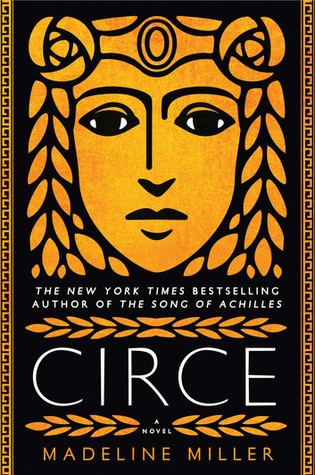 Circe 201877% alikeBoth earnest, classical in form, epic.
 Lonesome Dove 198576% alikeBoth classical in form, earnest, epic.
 1776 200576% alikeBoth earnest, classical in form, epic.
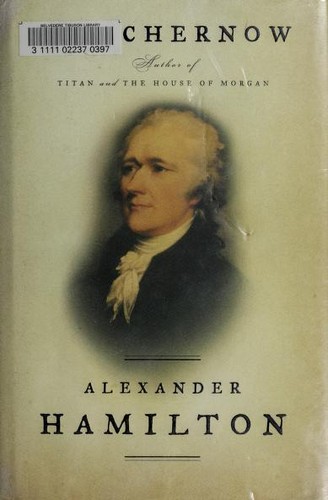 Alexander Hamilton 200475% alikeBoth earnest, classical in form, epic.
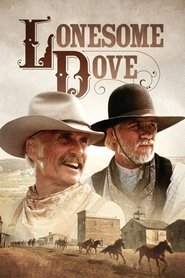 Lonesome Dove 198986% alikeTelevision · Both earnest, classical in form, epic.
 The Last Samurai 200381% alikeFilm · Both classical in form, earnest, epic.