
- Fiction, Juvenile audience, Juvenile, Toy and movable books
A.A. Milne's Pooh stories need no introduction; they have been loved by generations of children and their parents ever since they were first published in 1926. In his autobiography, Milne wrote: 'The animals in the stories came for the most part from the nursery. My collaborator [his wife] had already given them individual voices, their owner by constant affection had given them the twist in their features which denotes character, and Shepard drew them, as one might say, from the living model.'
Log it
Sign in to log this.
Character
Warm, effortless, classical in form and intimate.
- warmbleak
- effortlessdemanding
- classical in formformally daring
- intimateepic
- resolvedopen-ended
Who loves it, who doesn't
No profiled raters yet.
Ask the title
A yes-or-no question, answered from what people wrote here, on TMDB and on Wikipedia. Never made up.
Reviews
No reviews yet.
About the book
- Author
- A. A. Milne
- First published
- 1925
- Pages
- 158
- Publisher
- Altea, Dutton Juvenile, Project Gutenberg/McClelland & Stewart, Ltd.
- Editions
- 187
- Language
- vie, yid, Polish, dan
- ISBN
- 9780525242673
Where to read
Libraries first: a card gets you most books for nothing. Each opens that service’s page for this title.
On Open Library, 108 have read it and 488 want to.
“HERE IS Edward Bear, coming downstairs now, bump, bump, bump, on the back of his head, behind Christopher Robin.”
A. A. Milne was born in Kilburn, London and went to school at a small independent school run by his father, John Vine Milne. He went to Westminster School and studied mathematics at Trinity College, Cambridge. He was married in 1913, and then joined the British Army in World War I. In 1920, his son, Christopher Robin Milne, was born. In 1925, Milne moved to a country home called Cotchford Farm in Hartfield, East Sussex. Winnie-the-Pooh, Milne's most famous work, was published in 1926. Although he had his greatest success with his books for children, he stopped writing works for children by the end of the decade, saying that the source of his inspiration for children's stories, his son, had g
Similar in taste
Closest on the same fourteen dimensions, from everything scored on Tastebuds Other media included when they land close.
 The Wind in the Willows 190874% alikeBoth classical in form, warm, effortless.
 Anne of Green Gables 190866% alikeBoth classical in form, warm, effortless.
 How the Grinch Stole Christmas! 195755% alikeBoth effortless, classical in form, warm; this one is more relentless.
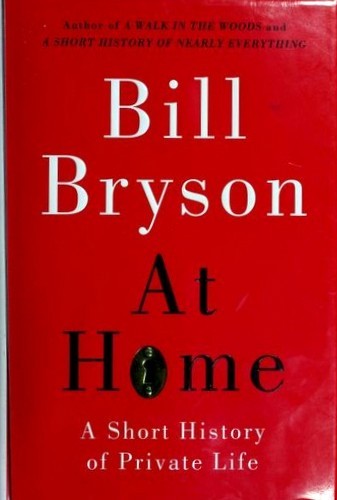 At Home 201055% alikeBoth warm, cool, resolved.
 Both warm, effortless, classical in form; this one is more relentless.
 To Sir Phillip, With Love 200355% alikeBoth warm, effortless, classical in form.
 Romancing Mister Bridgerton 200255% alikeBoth classical in form, warm, effortless.
 A Room with a View 190554% alikeBoth classical in form, warm; this one is more grave.
 Film · Both effortless, warm, classical in form.
 Life with Father 194771% alikeFilm · Both warm, classical in form, effortless.