
- Pain, Religious aspects of Suffering, Christianity, Suffering
Why must humanity suffer? In this elegant and thoughtful work, C. S. Lewis questions the pain and suffering that occur everyday and how this contrasts with the notion of a God that is both omnipotent and good. An answer to this critical theological problem is found within these pages. "If God is good and all-powerful, why does he allow his creatures to suffer pain?" And what about the suffering of animals, who neither deserve pain nor can be improved by it? The greatest Christian thinker of our time sets out to disentangle these knotty issues. With his signature wealth of compassion and insight, C. S. Lewis offers answers to these crucial questions and shares his hope and wisdom to help heal a world hungering for a true understanding of human nature. - Cover.
Log it
Sign in to log this.
Character
Spare, earnest, classical in form and contemplative.
- sparerichly built
- earnestironic
- classical in formformally daring
- contemplativerelentless
- character-ledplot-driven
Who loves it, who doesn't
No profiled raters yet.
Ask the title
A yes-or-no question, answered from what people wrote here, on TMDB and on Wikipedia. Never made up.
Reviews
No reviews yet.
About the book
- Author
- C. S. Lewis, James Simmons
- First published
- 1940
- Pages
- 148
- Publisher
- Geoffrey Bles, G. Bles, G. Bles: and Centenary Press
- Editions
- 51
- Language
- Korean, und, English
- ISBN
- 9780006245674
Where to read
Libraries first: a card gets you most books for nothing. Each opens that service’s page for this title.
On Open Library, 10 have read it and 190 want to.
“Not many years ago when I was an atheist, if anyone had asked me, 'Why do you not believe in God?'”
Clive Staples Lewis was an Irish-born British novelist, academic, medievalist, literary critic, essayist, lay theologian and Christian apologist.
Similar in taste
Closest on the same fourteen dimensions, from everything scored on Tastebuds Other media included when they land close.
 The Abolition of Man 194375% alikeBoth spare, earnest, character-led.
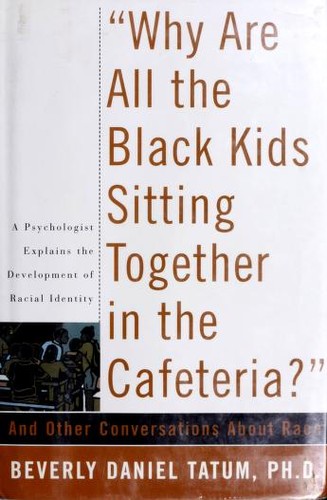 Both earnest, classical in form, spare.
 Existentialism Is a Humanism 200770% alikeBoth character-led, earnest, spare.
 Whipping Girl 200768% alikeBoth spare, earnest, character-led.
 On the shortness of life 200567% alikeBoth spare, earnest, character-led.
 The will to change 200467% alikeBoth spare, earnest, classical in form.
 The Art of Loving 195666% alikeBoth spare, earnest, character-led; this one is more warm.
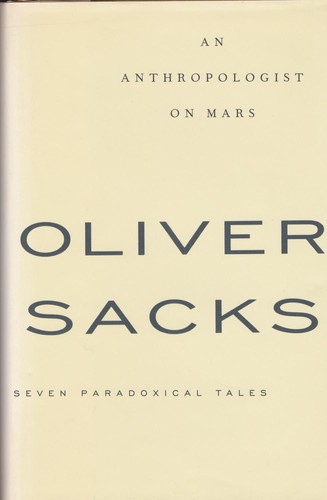 An Anthropologist on Mars 199566% alikeBoth spare, earnest, classical in form.
 Dodsworth 193670% alikeFilm · Both earnest, classical in form, contemplative.
 Film · Both character-led, earnest, classical in form.