
- Education, Early works to 1800, Education, early works to 1800, Collections
Rousseau wrote about the difficulty of being a good individual within an inherently corrupting collectivity: society. Emile deals specifically with education, and outlines a system which would allow for human goodness. He uses the fictional story of Emile and his tutor to outline his ideas. The book was banned and publicly burned on its publication, but became a European bestseller and provided a basis for new education systems.
Log it
Sign in to log this.
Character
Earnest, contemplative, grave and spare.
- earnestironic
- contemplativerelentless
- gravecomic
- sparerichly built
- cooloverwhelming
Who loves it, who doesn't
No profiled raters yet.
Ask the title
A yes-or-no question, answered from what people wrote here, on TMDB and on Wikipedia. Never made up.
Reviews
No reviews yet.
About the book
- First published
- 1762
- Pages
- 456
- Publisher
- Appleton, Printed for T. Becket and P.A. de Hondt ..., Printed for J. Potts and D. Chamberlaine
- Editions
- 182
- Language
- English, Japanese, French, German
- ISBN
- 9781584656777
Where to read
Libraries first: a card gets you most books for nothing. Each opens that service’s page for this title.
On Open Library, 4 have read it and 58 want to.
“God makes all things good; man meddles with them and they become evil.”
Jean-Jacques Rousseau was a major Genevois philosopher, writer, and composer of 18th-century Romanticism. His political philosophy influenced the French Revolution and the development of modern political, sociological and educational thought. His novel, *Emile: or, On Education*, which he considered his most important work, is a seminal treatise on the education of the whole person for citizenship. His sentimental novel, Julie, ou la nouvelle Héloïse, was of great importance to the development of pre-Romanticism and romanticism in fiction. Rousseau's autobiographical writings: his *Confessions*, which initiated the modern autobiography, and his *Reveries of a Solitary Walker* were among the
Similar in taste
Closest on the same fourteen dimensions, from everything scored on Tastebuds Other media included when they land close.
 Chto delatʹ? 186371% alikeBoth earnest, grave, prestige.
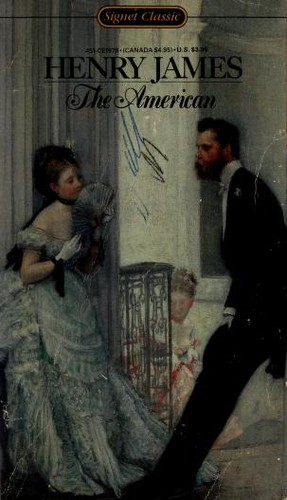 The American 187771% alikeBoth grave, earnest, prestige.
 The Metamorphosis of Plants 198870% alikeBoth earnest, grave, contemplative; this one is more warm.
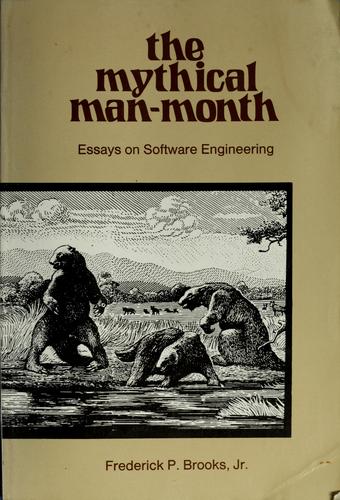 The Mythical Man-Month 197470% alikeBoth earnest, contemplative, cool.
 Le docteur Pascal 189369% alikeBoth earnest, contemplative, grave.
 Gorin no sho 196369% alikeBoth earnest, grave, contemplative.
 Lila 201469% alikeBoth earnest, contemplative, grave.
 Meijin 197069% alikeBoth earnest, grave, contemplative.
 The Sense of an Ending 201773% alikeFilm · Both grave, earnest, contemplative.
 Mr. Turner 201471% alikeFilm · Both earnest, contemplative, prestige.