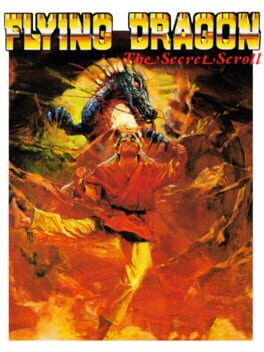
Flying Dragon: The Secret Scroll 1987
Developed by Culture Brain
- Fighting, Platform, Hack and slash/Beat 'em up, Action
In a mysterious region of China, Ryuhi, was born and raised in high mountain tops. There he received instruction from his wise teacher, Juan. At a young age he became a master of Kempo. One day, his teacher Juan was attacked and robbed of the Secret Scrolls of Hiryu-no-Ken, of which he was the author. Ryuhi possessed the 6th volume of the Secret Scrolls, the Shingan No Sho, or Book of the Mind's Eye which Juan had managed to save. Ryuhi begins his journey to Shorinji as a last request from a dying Juan. Gengai, the bishop of Shorinji welcomed the little Ryuhi, and begins to train him in Shorinji Kempo. Six years later, they received a letter of challenge from the Tusk Soldiers, a mysterious organization of enemies of the Shorinji. Ryuhi is determined to take part in the upcoming "World Tournament of Contact Sports" as a representative of Shorinji. His motive is to prevent the Tusk Soldiers from becoming champions of Contact Sports at the tournament. After learning from Gengai that it was the Tusk Soldiers who attacked his teacher and robbed him of the Secret Scrolls, he leaves for the World Tournament. There are two different types of gameplay. Journey levels are side-scrolling levels where Ryuhi must defeat five bosses and find certain items valuable to the mission. The tournament levels are where the player gets to fight one-on-one against enemies in the same way as the first game in the series released in 1985, Shanghai Kid. The player must go through the game twice to get the true ending. All six scrolls must be collected the first time through to get the first ending. The second time through the player needs to collect all six scrolls again, along with four crystal balls. The crystal balls can only be found in the second quest. However, players can miss one of these items and finish the game, but the true ending will not be received.
Log it
Sign in to log this.
Character
Plot-driven, grave, earnest and unpretentious.
- character-ledplot-driven
- gravecomic
- earnestironic
- unpretentiousprestige
- resolvedopen-ended
Who loves it, who doesn't
No profiled raters yet.
Where do you stand?
Answer first; then see how everyone, and your circle, split.
“Has Flying Dragon: The Secret Scroll aged badly?”
Sign in to answer.
Be the first to answer.
Ask the title
A yes-or-no question, answered from what people wrote here, on TMDB and on Wikipedia. Never made up.
Reviews
No reviews yet.
About the game
- Platforms
- Family Computer, Wii U, Nintendo Entertainment System
- Developer
- Culture Brain
- Publisher
- Culture Brain
- Released
- February 14, 1987
- Modes
- Single player
- Perspective
- Side view
Screenshots
Similar in taste
Closest on the same fourteen dimensions, from everything scored on Curator Co. Other media included when they land close.
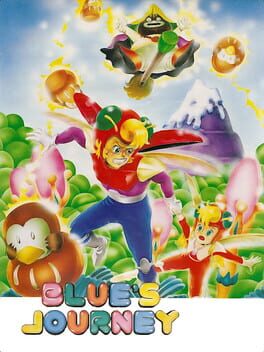 Blue's Journey 199188% alikeBoth plot-driven, earnest, grave.
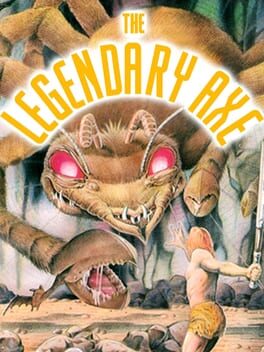 The Legendary Axe 198887% alikeBoth plot-driven, unpretentious, grave.
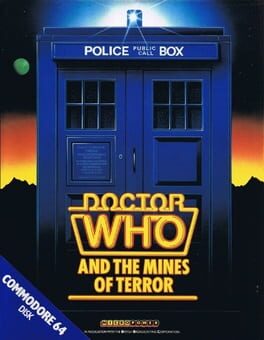 Both plot-driven, earnest, unpretentious.
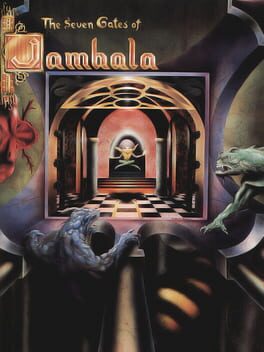 The Seven Gates of Jambala 198985% alikeBoth plot-driven, grave, earnest.
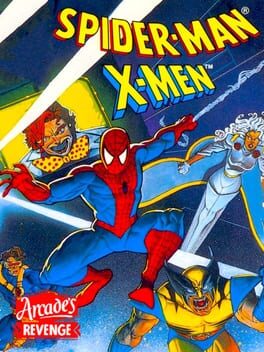 Both plot-driven, earnest, unpretentious.
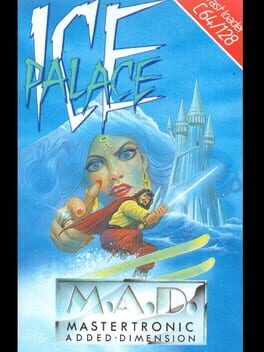 Ice Palace 198585% alikeBoth plot-driven, grave, earnest.
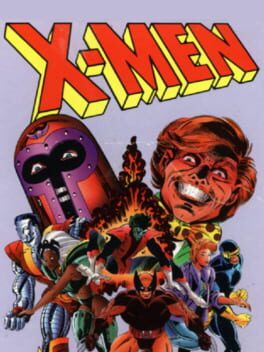 X-Men: Madness in Murderworld 198984% alikeBoth plot-driven, unpretentious, earnest.
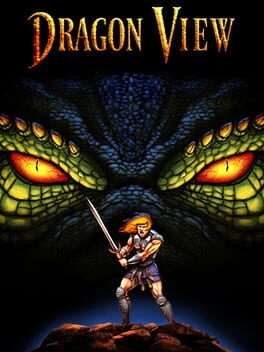 Dragon View 199484% alikeBoth grave, earnest, plot-driven.
 The Sign of Four 198768% alikeFilm · Both earnest, grave, classical in form.
 Fuuto PI 202267% alikeSeries · Both unpretentious, resolved, classical in form.
Often played with
Similar games per IGDB. Opening one adds it to Curator Co.