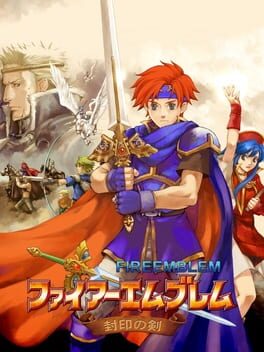
Fire Emblem: Fuuin no Tsurugi 2002
Developed by Nintendo R&D1, Intelligent Systems
- Role-playing (RPG), Strategy, Turn-based strategy (TBS), Tactical
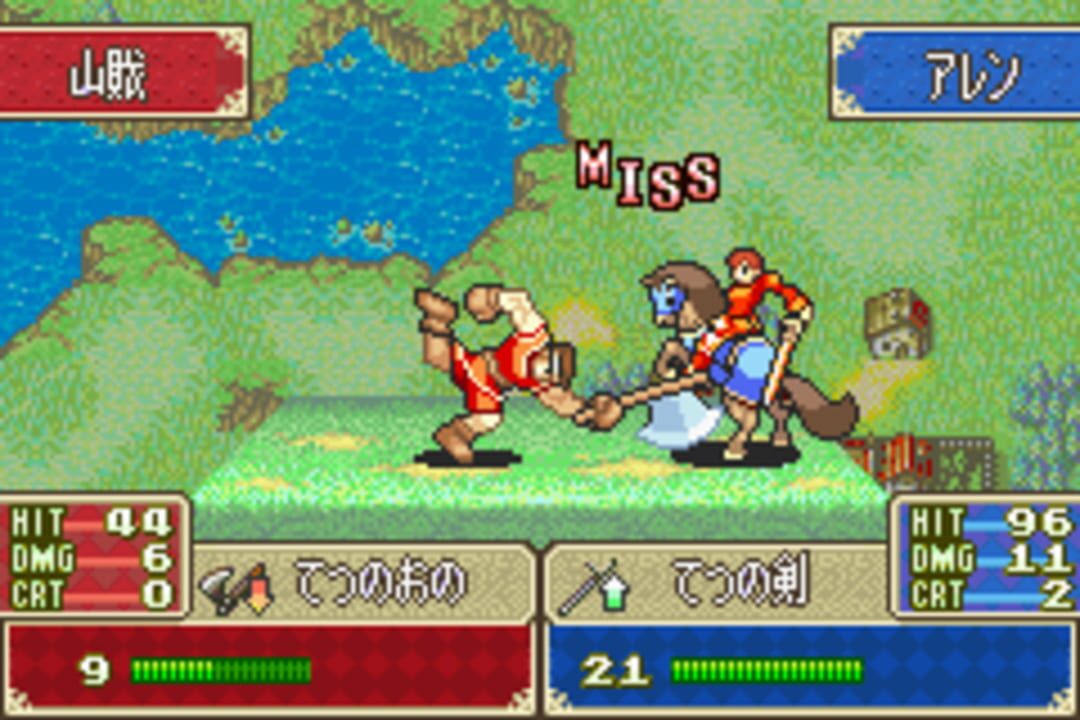
Fire Emblem: The Binding Blade is a Japanese tactical role-playing game developed by Intelligent Systems and published by Nintendo. The game was released on March 29, 2002 in Japan, is the sixth game in the Fire Emblem series, and the first of three games in the series that have appeared on Nintendo's Game Boy Advance handheld. It was the last Fire Emblem game to be released exclusively in Japan until the release of Fire Emblem: New Mystery of the Emblem. The Binding Blade was followed by a prequel, Fire Emblem: The Blazing Blade, set twenty years earlier. The game takes place on the continent of Elibe, set twenty years after its prequel, Fire Emblem: The Blazing Blade, Starring the son of protagonist Eliwood, Roy. 1,000 years before the events of the game, the land of Elibe was the scene of The Scouring, a brutal war between humans and dragons over the control of the land. Late in this war, mankind forged nine powerful dragon-slaying weapons, the Divine Weapons and the Binding Blade, and gave them to eight powerful fighters who became known as the Eight Legends to use to finish the war. However, the sheer power imbued in the weapons tore apart the balance in the laws of nature when clashed with the dragon's own power, a phenomenon later called the Ending Winter. After the war, fearing the power of the weapons and the possibility of someone using them to cause a catastrophe, the weapons were sealed away in hiding places across the continent. Over the thousand years, the weapons remained undisturbed, and the continent is mostly at peace. However, this peace is soon ended when Bern suddenly invades Sacae and Ilia and swiftly takes control of the two countries. They then turn towards the small country of Lycia. Roy then leads the League of Lycia's army against the forces of the militant country of Bern shortly after his father falls ill.
Log it
Sign in to log this.
Character
Earnest, classical in form, grave and epic.
- earnestironic
- classical in formformally daring
- gravecomic
- intimateepic
- character-ledplot-driven
Who loves it, who doesn't
No profiled raters yet.
Where do you stand?
Answer first; then see how everyone, and your circle, split.
“Are the characters only there to move the plot?”
Sign in to answer.
Be the first to answer.
“Would a little humor have helped?”
Sign in to answer.
Be the first to answer.
“Is the difficulty the point?”
Sign in to answer.
Be the first to answer.
Ask the title
A yes-or-no question, answered from what people wrote here, on TMDB and on Wikipedia. Never made up.
Reviews
No reviews yet.
About the game
- Platforms
- Wii U, Game Boy Advance
- Developer
- Nintendo R&D1, Intelligent Systems
- Publisher
- Nintendo, iQue
- Released
- March 29, 2002
- Modes
- Single player, Multiplayer
- Perspective
- Bird view / Isometric, Side view
- Time to beat
- 30 h main story · 46 h completionist
IGDB rating 7.4/10 from 55 ratings.
Screenshots
Pairings
Companions we picked from the closest works, and how to take them.
Similar in taste
Closest on the same fourteen dimensions, from everything scored on Curator Co. Other media included when they land close.
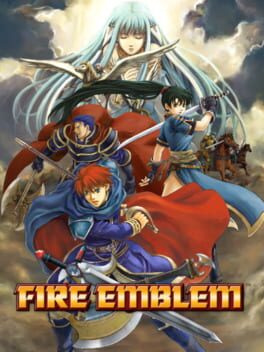 Fire Emblem 200389% alikeBoth earnest, classical in form, grave.
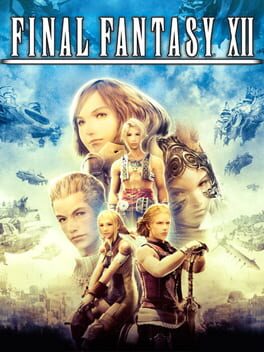 Final Fantasy XII 200687% alikeBoth earnest, classical in form, epic.
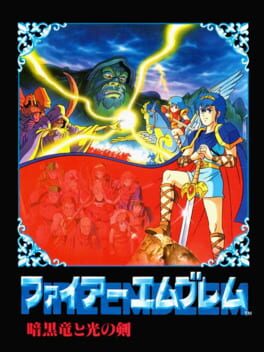 Both earnest, classical in form, grave.
 Fire Emblem: The Sacred Stones 200486% alikeBoth earnest, classical in form, grave.
 Neverwinter Nights 200286% alikeBoth earnest, classical in form, grave.
 Fire Emblem: Path of Radiance 200585% alikeBoth earnest, classical in form, epic.
 Fell Seal: Arbiter's Mark 201985% alikeBoth earnest, classical in form, grave.
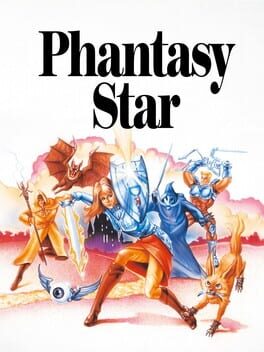 Phantasy Star 198785% alikeBoth earnest, classical in form, grave.
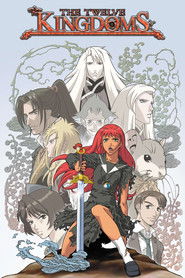 The Twelve Kingdoms 200283% alikeSeries · Both earnest, classical in form, epic.
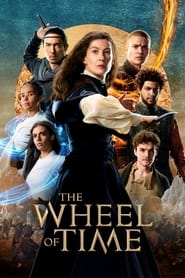 The Wheel of Time 202181% alikeSeries · Both earnest, classical in form, epic.
Often played with
Similar games per IGDB. Opening one adds it to Curator Co.